
C21 MEDIA - Inside the race to reinvent microdrama’s identity.
As the vertical video format spreads further around the globe, a number of new platforms are attempting to redefine what a microdrama is and elevate it from its low-cost roots.

A handful of microdrama executives interviewed by C21 in recent weeks are united by a single ambition: to redefine the genre. Where they diverge sharply is on what that redefinition should look like, revealing a sector that has outgrown its own name almost as quickly as it emerged.
For Ana Prieto, founder of Spanish platform Dramyx, the fix lies in decoupling microdrama from melodrama. “We believe that microdrama is a format, not a genre,” she tells C21’s Spanish-language sister publication Cveintiuno, arguing that mystery, thriller, romantic comedy, action and drama can all coexist within the format “provided they retain the elements that make microdrama so appealing: a very fast pace, short episodes, constant twists, cliffhangers and characters capable of forging an immediate connection with the viewer.”
Her ambition is explicitly European. “Europe has a great opportunity to develop its own microdrama model, with a creative identity, high production standards and a narrative capable of connecting with international audiences,” she says. Her production company Anafilms wants “to be part of that evolution from the outset and help consolidate a microdrama industry with a European stamp and premium quality, because telling stories in a vertical format does not have to mean low technical or artistic quality.”
"Europe has a great opportunity to develop its own microdrama model, with a creative identity, high production standards and a narrative capable of connecting with international audiences."

Ana Cristina Prieto. DRAMYX.
Dramyx launched with mystery drama Los Secretos de Montesierra, which drew a crowd of 500 to a screening at Madrid’s Capitol Cinema before moving to the app. Two further originals, the romantic thriller Cruise of Betrayal and the mystery drama Cryogenics: The Rich Die Too, followed. Prieto positions the platform less as a distribution app than a “narrative lab” bridging traditional television and digital consumption, explicitly citing China’s microdrama boom as a reference point.
Monetisation, however, remains a work in progress; Dramyx is currently free worldwide while the company assesses its options. “Our aim is to build a sustainable platform that combines different monetisation channels, always putting the viewer at the centre. We are analysing different models,” Prieto says, adding that Dramyx is open to collaboration with other platforms and third-party producers, “provided it fits with Dramyx’s editorial line.”
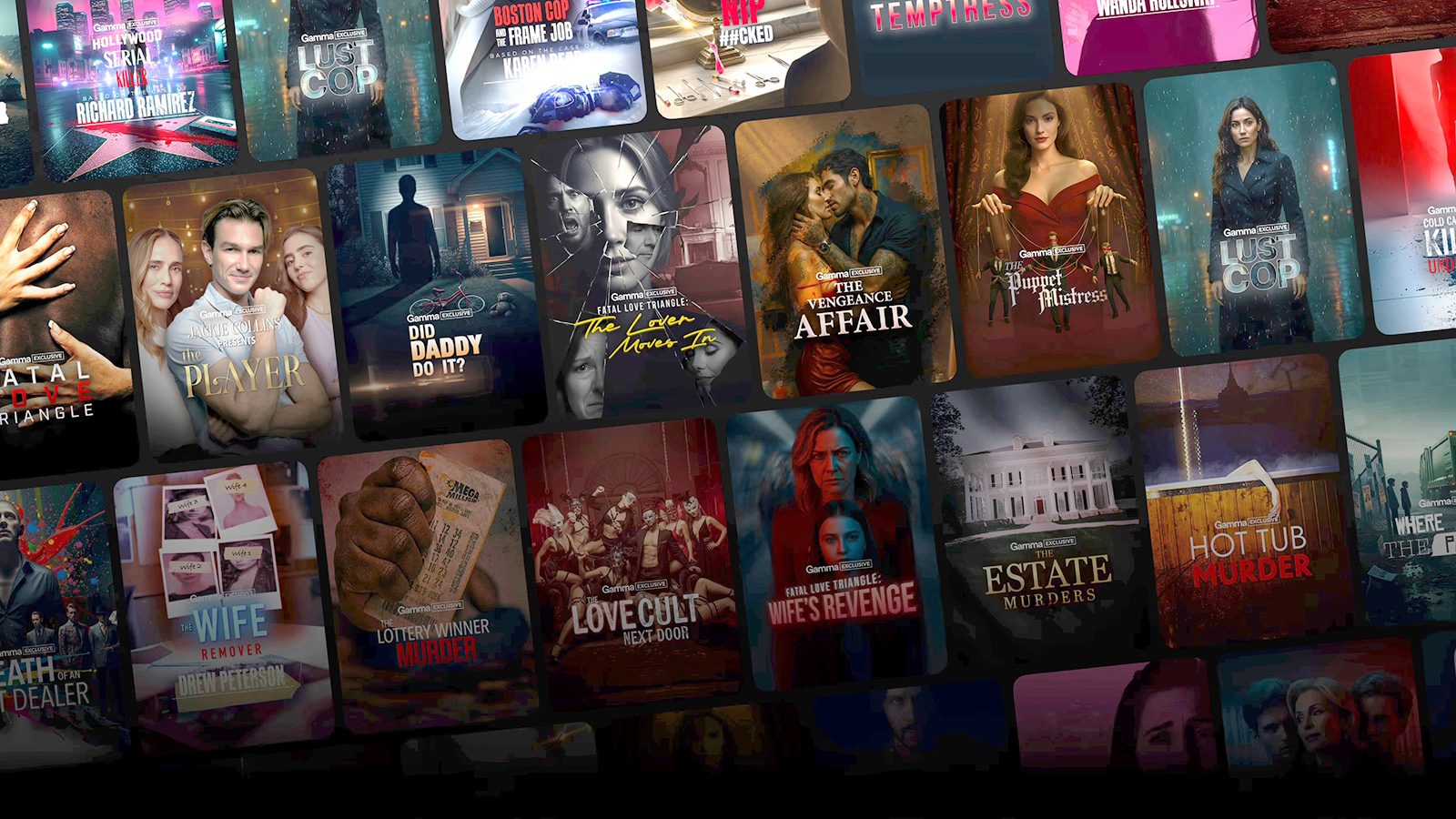
RoseBerry Media goes further, dropping the word microdrama altogether. When its Epis app launched last month with more than 100 titles, the term was, in the New York-based company’s words, “conspicuously absent” from the announcement. Co-founder and CEO Guy Hameiri frames the company’s ambitions in terms of television history rather than the current vertical boom. “TV started in the 1940s with soap operas in the US but evolved into what we see as TV today,” he says. “We believe that this is just the beginning of a much bigger evolution.”

RoseBerry, he insists, is “in a different field. We’re playing a different game,” describing the business as “not just an app” but “a full start-to-end studio for vertical television.” Co-founder Lior Friedman, who previously worked in FAST channel distribution through Amagi, says the studio’s job is to “create IP and our job is to monetise that IP across what we see as a growing landscape of users that want to consume content on their mobile devices.”
Epis’s launch slate spans premium scripted, true crime and dating reality, including titles licensed from A+E Global Media, All3Media International, Banijay Rights, Cineflix Rights and Fremantle. Sexy Beasts, a repurposed BBC Three dating format, is currently the platform’s best performer, with Friedman noting the team has taken the UK version and “adapted it by adding different elements that are making it more palatable to a vertical US audience.”
Early engagement is strong, he says, with some subscribers “spending more than 60 minutes per session,” and “more than 50% of users converting on the paywall” for top titles. That distinction matters commercially too. Friedman says RoseBerry is deliberately avoiding the “one-night stand” of aggressive user acquisition common elsewhere in the sector, in favour of building “a long-standing relationship” with subscribers through what Hameiri calls less “aggressive” pricing than the weekly and monthly rates typical of microdrama apps. RoseBerry has also built its own AI repurposing tool, Redsnapper, which the company says makes the process “between 80% and 90% automated.”
Publicación en la web de C21 MEDIA clickear para ver el contenido original.

ED WALLER - C21Media
Madrid Creada: 20.08.2026